
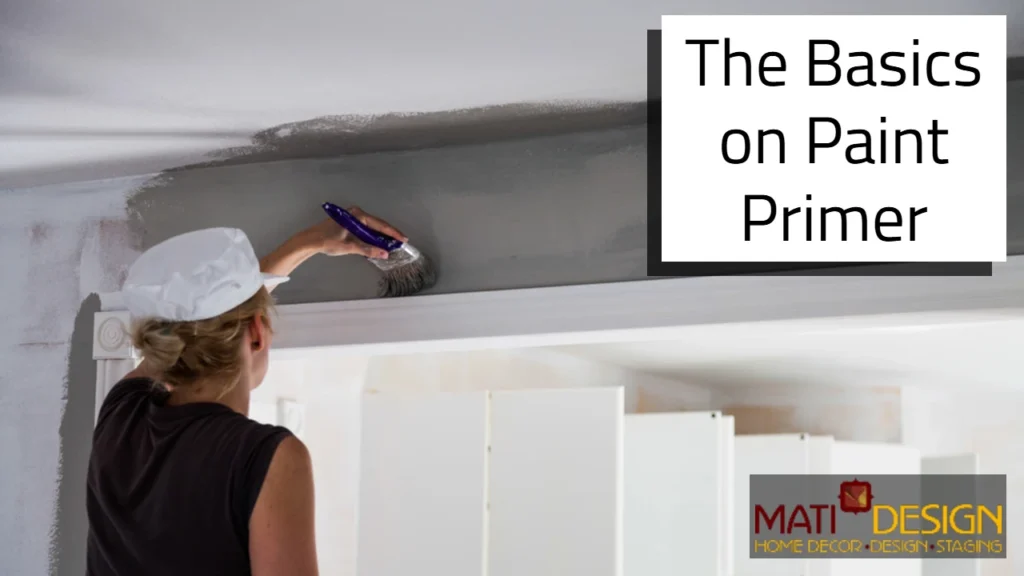
So, you’ve decided to repaint your home.
You’ve carefully considered your options, including whether to hire a professional or take on the DIY project yourself, what type of finish you’ll use, and which supplies to purchase.
You’ve even collected a handful of paint samples before settling on the perfect colour to match the mood of each room.
Now, there’s one last decision to make before you begin painting: to prime or not to prime.
Sure, using a primer means you’ll have a little extra work and overall cost, but it’s a step you don’t want to omit.
Using a primer can help take your paint job to the next level.
It’s a small step that can make a massive difference.
For example, using a primer before you paint can:
- Help you use fewer layers of paint
- Improves the look of your walls
- Protect your walls against wear and tear
- Provide longevity for your paint
Knowing this, you can brush, roll, or spray your choice of primer with confidence.
And we’re always here to help if you have any questions or just need a professional opinion.
At Mati Design, we’re a full-service design firm that offers London Ontario residential painting, home renovations, interior decorating, and more.
We’re happy to design the perfect space to fit your needs.
But if you’re more of a DIY type, keep reading for everything you need to know about primer.
What Does Paint Primer Actually Do?
There are plenty of ways that you can freshen up the rooms in your house, but repainting your walls is by far one of the easiest and most cost-efficient.
Additionally, a new colour of paint on your walls is a great way to improve your mood and décor.
RELATED: Colour Psychology: How Can Paint Colours Affect Your Home?
But what exactly does primer do?
Below, we’ll explore some benefits of using a primer before you paint.
1. It Covers Stains and Discoloration
Over time, walls tend to get stained and lose some of their colour.
This is an inevitable process that reflects a well-lived-in home.
But if you paint over these stains, they can sometimes still be visible.
This is especially true when painting your baseboards, since they tend to be a lighter colour.
Enter primer.
A high-quality paint primer can help keep those pesky stains and discoloration marks hidden for as long as possible.
From water damage and repair patches to creative kids who may have gotten their hands on the wall, primer covers it all.
Of course, no one looks forward to the tedious process of cleaning their walls and baseboards, but it’s certainly worth the trouble.
By cleaning the stains on your walls, you’ll be able to use fewer coats of paint and enjoy the beautiful results.
The good news is that primer is generally less expensive than paint, so priming your walls will also save you money.
And who doesn’t love saving money?
2. It Provides a Stable Base Layer
Primer is an excellent base layer for your paint.
Base layers provide extra support and protection for your walls and increase the longevity of your paint job.
Paints come in various types of finishes, but primer is naturally rough and porous.
This might not sound like an ideal texture for your walls, but it’s an excellent choice for painting over, since it helps paint lock onto the surface.
In turn, this process helps ensure a longer lasting pain job and a smooth, seamless finish that completes the job in fewer coats.
3. It Neutralizes the Existing Colour
There’s a reason home buyers and landlords alike prefer white paint; it’s much easier to paint over than darker colours.
If you have a dark colour on your walls, such as black or navy blue, you’ll have a hard time painting over it with a lighter shade.
But with primer, this process is much easier.
Primer acts as a neutralizer, allowing lighter paint colours to cover darker coats much more seamlessly.
After you prime your walls, it’ll be much easier for your new colour to shine through.
When Should You Use Primer?
Now that we’ve covered some of the benefits of using primer, let’s explore the scenarios where primer is most necessary.
Many people have trouble deciding whether or not to use a primer, so you’re not alone if you’re having doubts.
In an ideal world, everyone would use primer in every painting project.
However, sometimes time and budget constraints make this impossible.
Not to worry, below we’ll explore four scenarios where using primer is an absolute must.
1. If There’s Bare Drywall
Bare drywall is the perfect candidate for primer.
These types of walls have never seen a single drop of paint, which makes a coat of primer an absolute necessity.
Drywall is highly absorbent, meaning it easily soaks up paint.
Subsequently, you’ll need to apply more coats of paint when you’re painting over drywall compared to other types of walls.
On average, it’ll take several coats of paint before you achieve a uniform finish.
As well, paint doesn’t stick to drywall putty very well, and you’ll probably need a lot of it on the wall to hide the seams between drywall sheets.
Primer helps ensure that you’re only applying the amount of paint that your walls need; no more and no less.
2. If You’re Painting Over Dark Paint with Light Paint
As we previously discussed, painting over darker colours with a lighter shade of paint requires some extra work.
In these cases, it’s necessary to begin your painting process with primer.
As the primer neutralizes the darker shades of paint, you’ll have an easier time applying your new, lighter colour.
It’ll also save you the trouble of applying multiple coats of paint.
3. On Porous Surfaces
Porous surfaces, such as concrete walls, are naturally absorbent.
This means they will easily soak up many layers of paint, leaving you with an uneven finish.
Since you’ll require multiple layers of paint, painting over these types of walls can also become costly quickly.
But that doesn’t mean that it’s impossible to paint over such porous surfaces.
Applying primer before you start painting will provide you with an even base, making it that much easier to get the walls of your dreams.
4. If You’re Painting Over Glossy Paint
The flip side of porous walls is glossy surfaces.
If you’ve previously painted your walls with glossy paint, you might find that your new paint coats aren’t sticking as much as you’d like.
Priming before you paint can help correct this problem.
Primer gives paint something to hold onto, making it much easier to cover old layers of glossy paint.
This means you’ll get the coverage you’re looking for from the very first coat.
How Many Coats of Paint Primer Do You Need?
Questions surrounding the right number of primer coats are common.
In truth, the number of primer layers you’ll need largely depends on your specific project.
For instance, you’ll need to consider factors such as the material and condition of your walls.
Walls that are in good condition typically require fewer coats of primer.
The same goes for projects where you’re not changing finishes or making a drastic colour change.
Alternatively, instances where you’re painting over a darker colour, a glossy paint finish or a porous surface will often require two or more coats of primer to achieve the best results.
Book Your Consultation with Mati Design Today
Priming and painting can seem overwhelming, especially considering the time commitment that’s often involved.
However, the most important thing to remember is that you don’t have to do it alone.
Hiring a design firm can go a long way.
At Mati Design, we work to help you make the most of your living space.
From condos to mansions and everything in between, we’re here to help.